Rome Travel Guide: Tips, Attractions, Everything You Need to Know
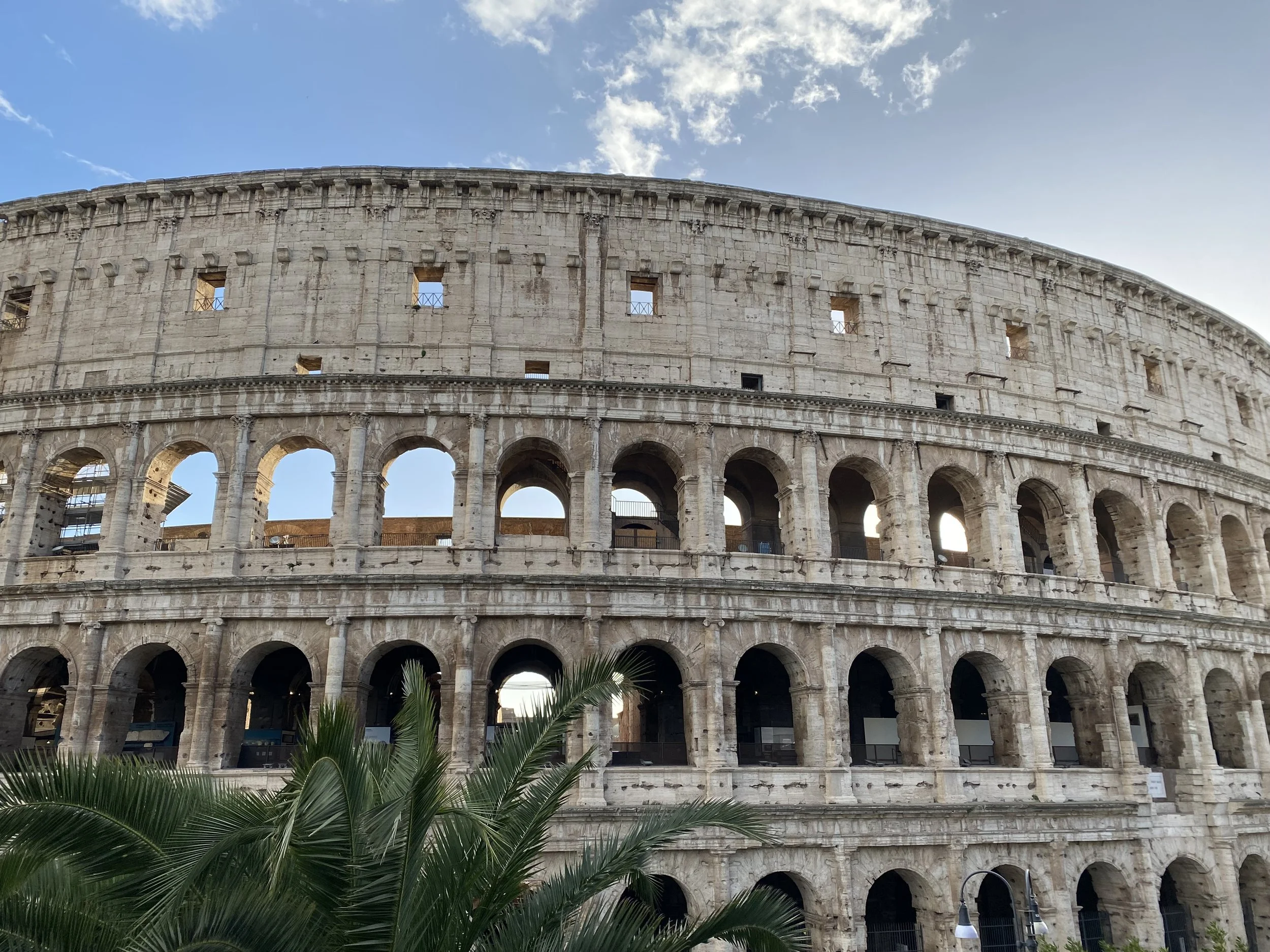
The Colosseum
Planning a trip to Rome? This in-depth Rome travel guide covers everything you need to know before visiting, from how to get around and avoid tourist scams to the best landmarks, neighborhoods, food spots, shopping areas, and cultural sights. Whether it’s your first time in Rome or your fifth, use this guide to help plan an unforgettable trip to the Eternal City.
📌 About Rome:
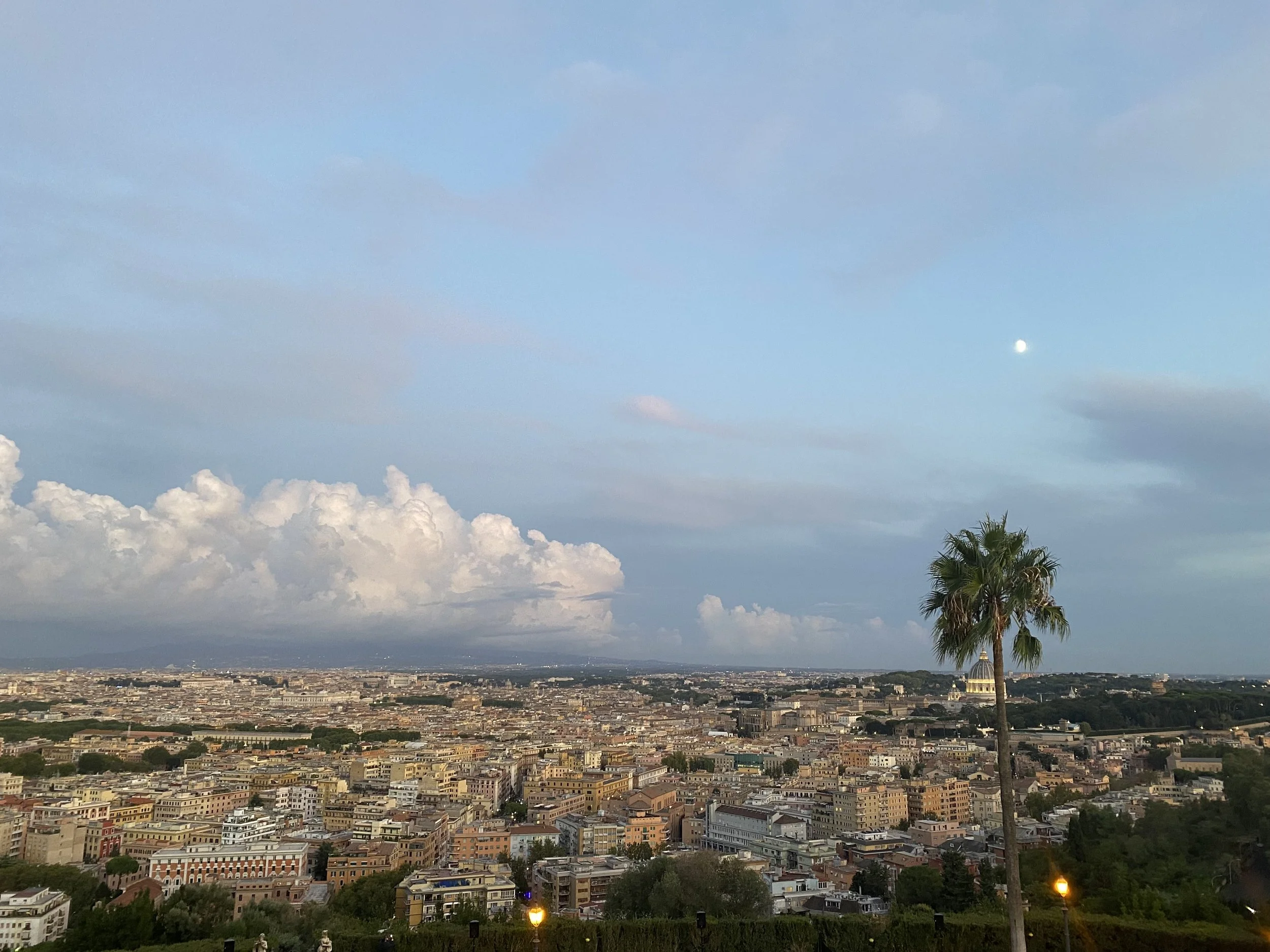
View of Rome from Villa Miani
Location: Rome is the capital city of Italy, located in the central-western part of the country.
Currency: The currency used in Rome is the Euro (€). Many places take cards, but cash is still essential, especially for small purchases or in markets.
Language: The official language is Italian, though English is commonly spoken in tourist areas.
Time Used: Rome operates on Central European Time (CET, UTC+1) and Central European Summer Time (CEST, UTC+2) in daylight savings months.
When is the best time to visit Rome?
Spring (March–May) and 🍂 early fall (September–October) are good times to visit Rome, thanks to warm weather and more pleasant temperatures for walking around the city. I’ve visited Rome in the most recent years in February and March, and the weather wasn’t bad! I most recently visited in August/September and it was boiling, plus the crowds were too much. SO be mindful.
Summer (June–August) is peak tourist season, meaning larger crowds, long attraction lines, and intense heat, especially in July and August.
Winter is quieter and often more affordable, though temperatures are cooler and the city can feel less lively.
How many days should you spend in Rome?
2–3 days: This provides enough time to see Rome’s major highlights like the Colosseum, Vatican City, Pantheon, and a few famous piazzas.
4–5 days: Ideal for a more balanced trip where you can explore Rome at a slower pace, visit additional neighborhoods, museums, parks, and enjoy long meals, and more without feeling rushed.
1 week or more: Great for diving deeper into the city, being able to visit lesser-known attractions, take day trips, enjoy Rome more leisurely, and truly soak in the culture, food, and atmosphere.
Neighborhoods to Know and Where to Stay in Rome:
Centro Storico – The historic heart, home to major landmarks.
Prati – Close to the Vatican, with upscale shopping and elegant streets.
Trastevere – A charming, lively area known for nightlife and authentic restaurants.
Monti – A hip, artsy district with boutique shops and cool cafés.
Testaccio – A foodie haven famous for traditional Roman cuisine.
✈️ Getting To and Around Rome
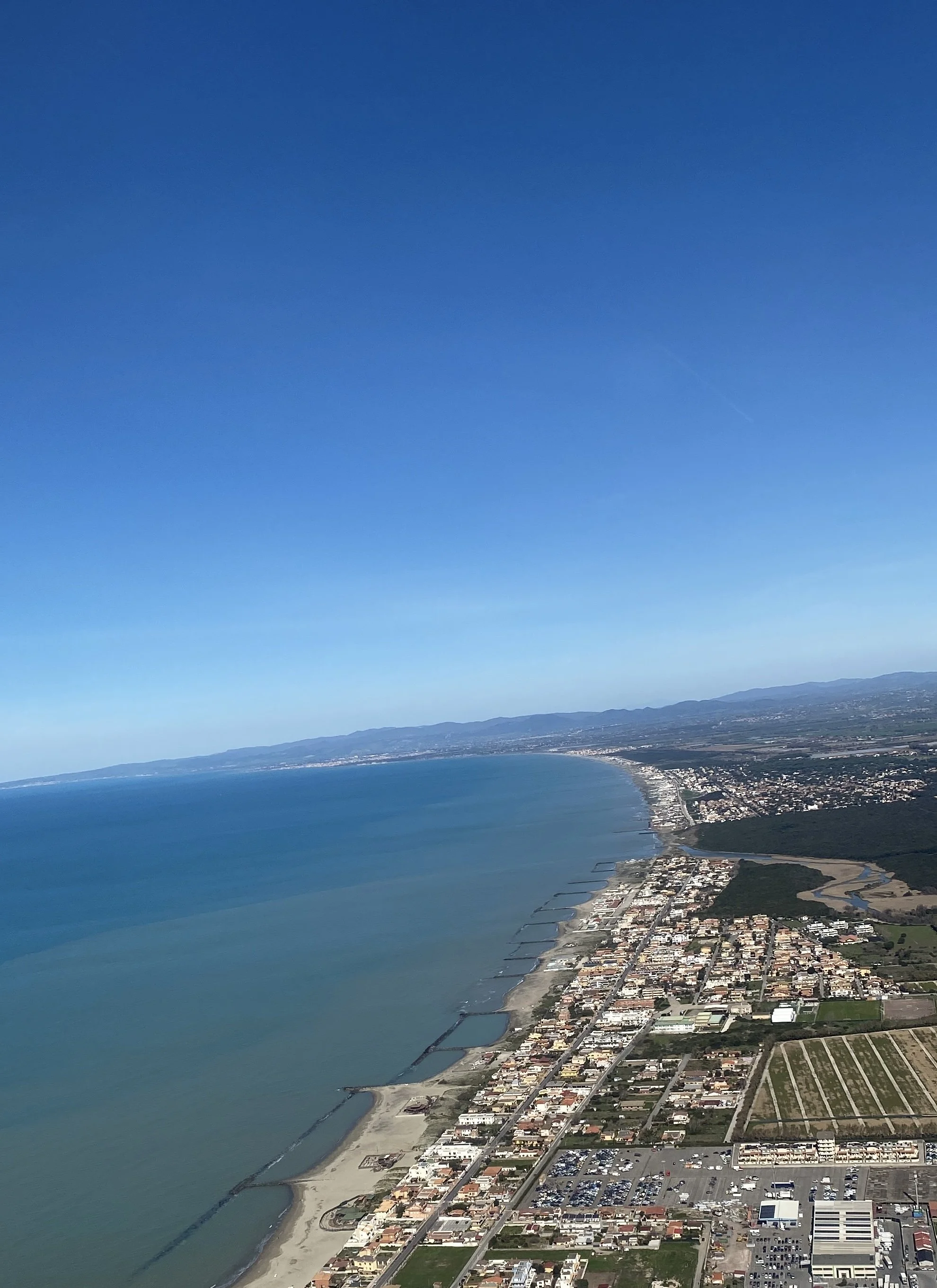
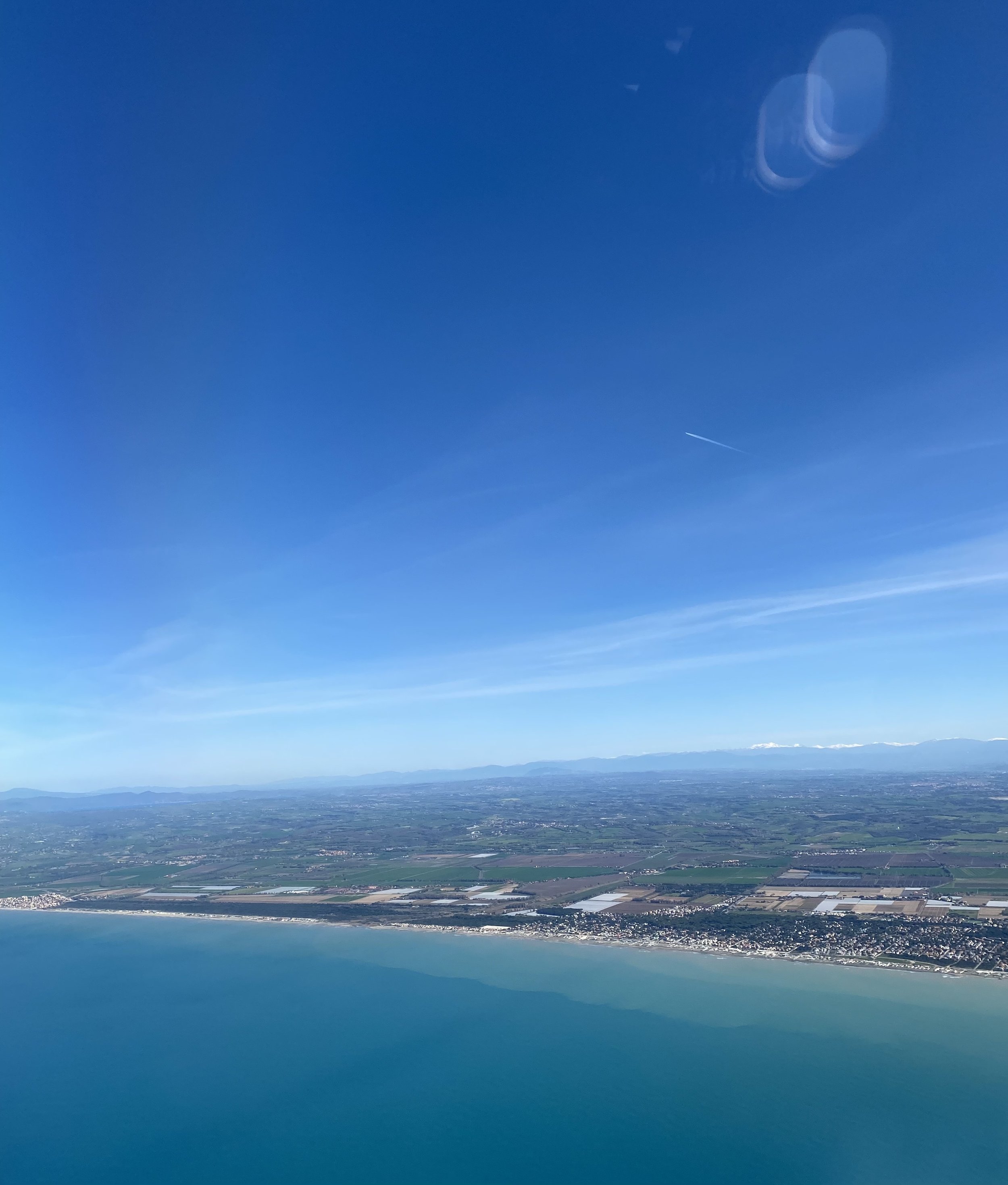
Airports: The main airports are Fiumicino Airport (Leonardo da Vinci - FCO), the largest international hub, and Ciampino Airport (CIA), which mainly serves budget airlines.
Getting Around: There are various ways to get around Rome. Options include public transportation, walking, Taxis, and Uber.
Public Transport: Rome has a network of Metro (train), buses, and trams.
To get around, buy a Roma Pass or BIT tickets (available at kiosks or machines in the metro).
Be sure to Validate your tickets when boarding buses/trams to avoid fines!
Walking: Rome is very walkable! If you’re able to, this is one of the best ways to get around. Remember to bring comfy shoes, Rome’s cobblestone streets are no joke.
Taxis: Use official ones (white with a taxi sign). Avoid random offers!
Uber: Uber is available in Rome, but it’s more limited and can be more expensive. There are different types of Ubers you can call, including a Taxi option. The prices for the Taxi option are often accurate and less expensive.
Food in Rome:
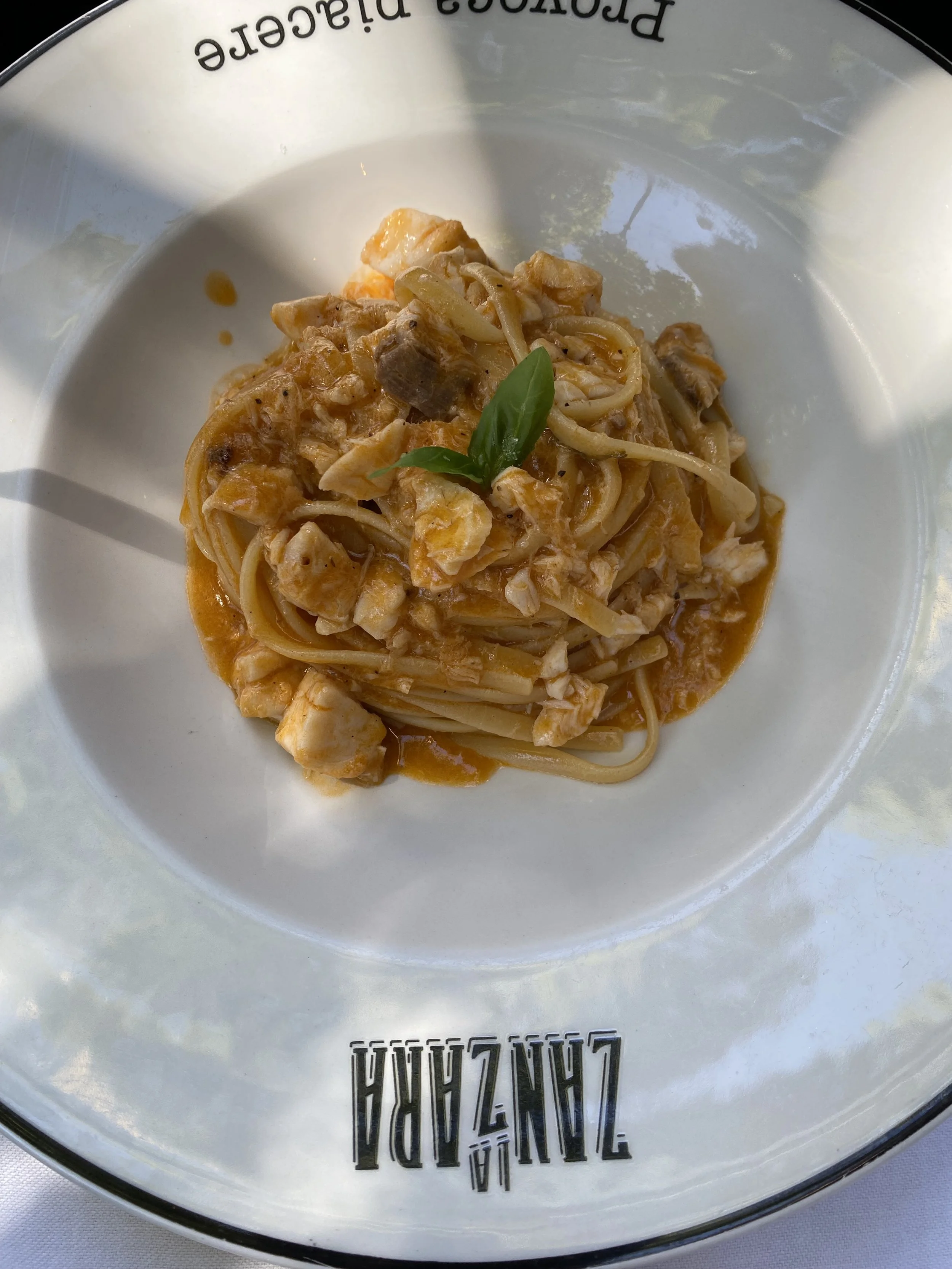
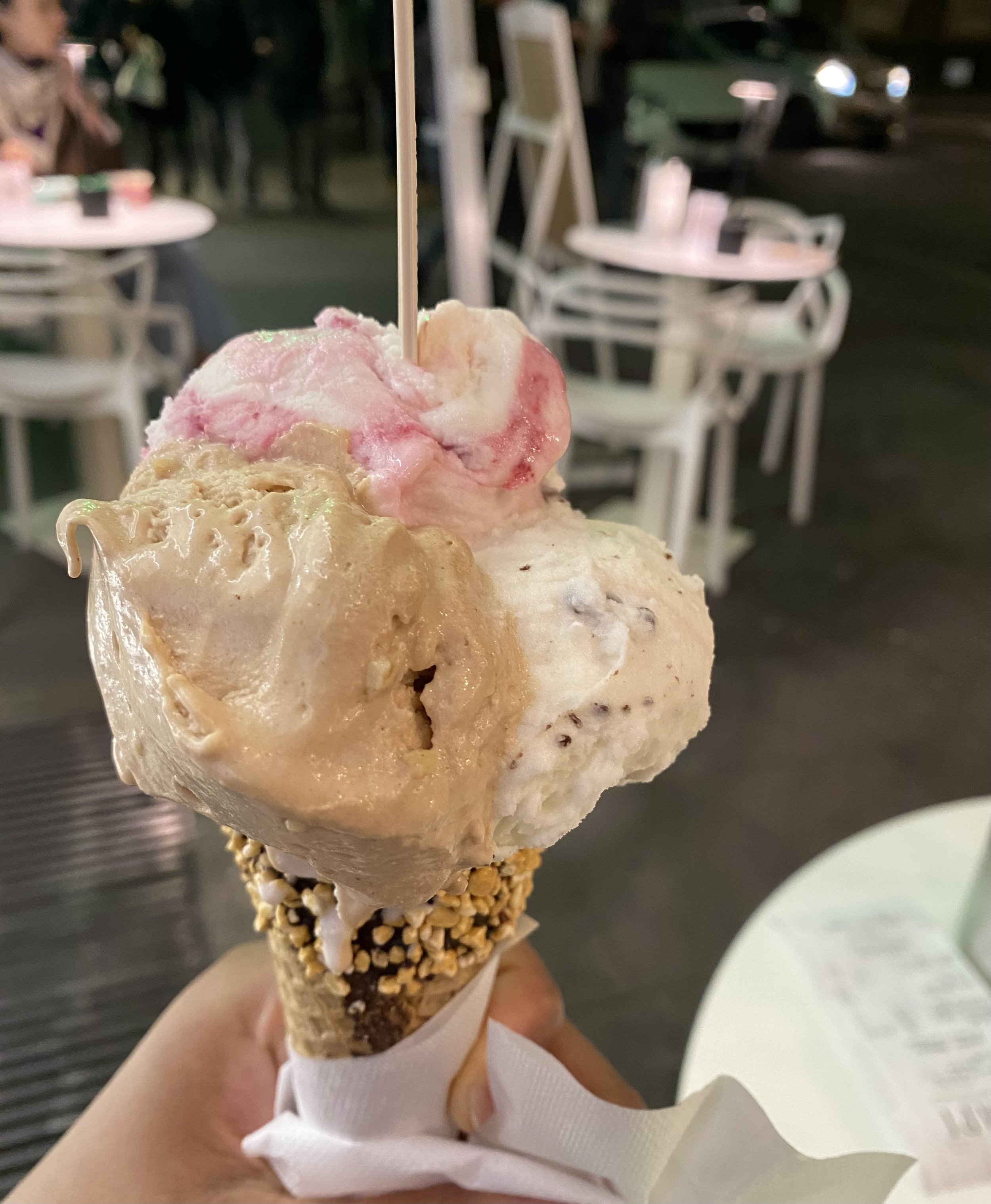
Rome is known for the following pastas, Cacio e Pepe, Carbonara, Amatriciana, Pasta alla Gricia, and Supplì (fried rice balls), while Italy as a whole is famous for pizza, pasta, gelato, espresso, and tiramisu. See some more tips below:
🍝 Rome is home to the Four Pasta Queens:
🥇 Cacio e Pepe: Pecorino + pepper – Translates to “cheese and pepper,” this minimalist Roman classic is made with just Pecorino Romano and black pepper. When done right, it’s supposed to create a creamy and flavorful sauce without any cream or butter. Pure pasta magic they say.
🥚 Carbonara: NO cream! Just egg, cheese, guanciale – This is anything BUT the American version—there’s no cream in this pasta. Made the traditional Roman way with eggs, Pecorino Romano, black pepper, and crispy guanciale (cured pork cheek), it’s supposed to taste rich and silky.
🍅 Amatriciana: Tomato, chili, guanciale – A bold, slightly spicy tomato-based sauce with guanciale and Pecorino Romano. It’s Carbonara’s tomato-loving cousin.
👑 Gricia – Known as the “white Amatriciana,” this pasta is made with guanciale, Pecorino Romano, and black pepper—no tomato. It’s one of the oldest Roman recipes.
Other Tips:
Gelato: Look for natural colors and metal containers (avoid neon colors!).
Pizza: Roman-style is thin and crispy.
Coffee culture: Stand at the bar for a quick espresso (€1–1.50). No cappuccino after 11 AM—it’s a faux pas!
Aperitivo: These are pre-dinner drinks and snacks.
Tourist Scams & Safety Tips in Rome:
Rome is generally safe, but similar to other major European cities, pickpocketing and tourist scams are common in crowded areas, such as on the metro, around piazzas, and major landmarks. Here are some common scams to watch out for:
Friendship bracelets: Someone ties one onto your wrist, then demands payment.
Fake petitions: Used to distract tourists while pickpockets steal valuables.
Photo/rose scams: Someone offers to help or gives you a “free” item, then pressures you for money.
Taxi overcharging: Use official white taxis and ensure the meter is running.
Fake police officers: Never hand over your wallet or passport to someone in plain clothes.
Pickpockets: Especially common on public transportation and near tourist attractions.
Travel tip: Keep your bags zipped, avoid carrying valuables in back pockets, and stay alert in crowded areas.
✨Rome’s Landmarks: Top 5 Attractions to visit ✨
The Roman Forum and Palatine Hill
Rome is an exciting city with a range of historic and cultural attractions and experiences. Here are major sights that should be on your radar, especially if you only have a short amount of time in Rome.
1. The Colosseum
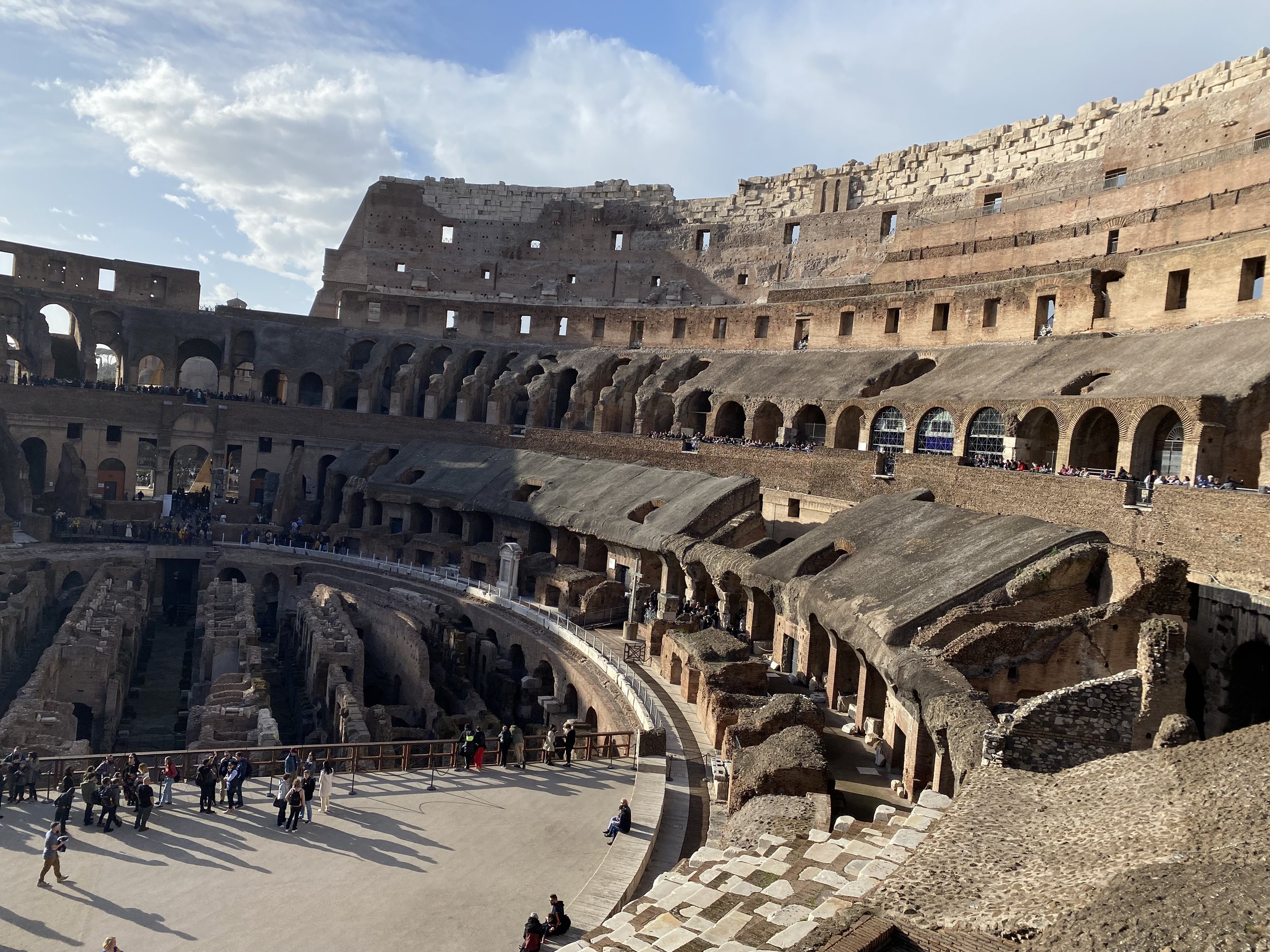
Note: The Colosseum is located right next door to the Roman Forum and Palatine Hill (second attraction below). For efficiency and time savings, it’s best to visit them all in one trip. You could also consider a guided group tour, which includes tickets and tour through the Colosseum, Roman Forum, and Palatine Hill.
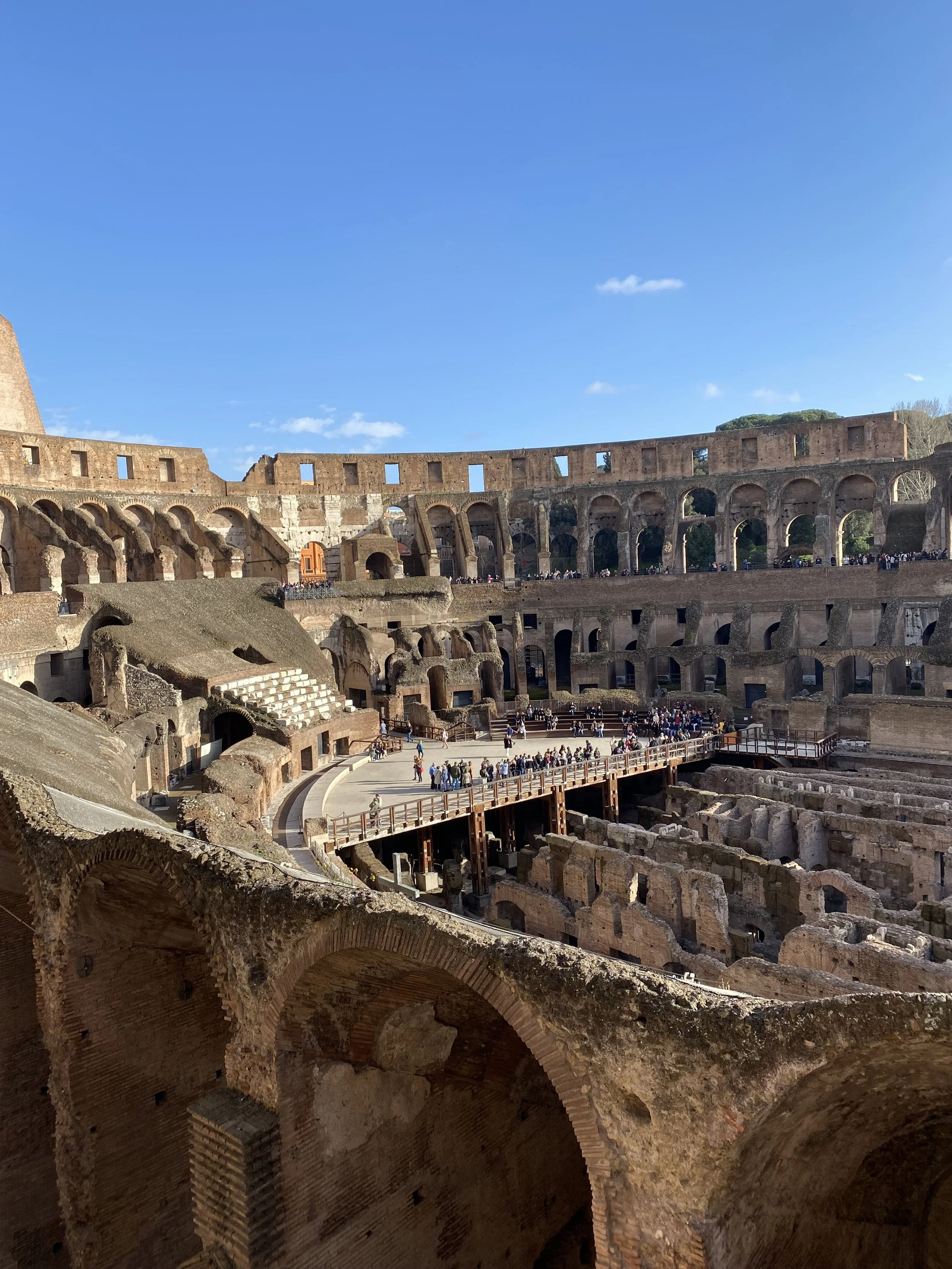
What is it? Built in 80 AD, the colosseum is the Roman Empire's largest amphitheater. It was used for gladiator fights, wild animal hunts, and other public spectacles, and is the largest amphitheater in the world still standing.
Why visit: It’s one of Rome’s most iconic landmarks! The Colosseum showcases ancient Roman engineering and represents the might of the Flavian dynasty, the rulers who commissioned it.
How to visit: You could either visit on your own or join a guided group tour, which includes a tour guide and tickets to the site. If you visit on your own, buy tickets ahead of time online and book the “skip the line” option, since the line to visit the Colloseum can be LONG, especially during peak season. If you opt for the group tour choose the option that includes a visit to the Roman Forum, which is right next door.
1a. ARCH OF CONSTANTINE
What is it? An arch erected to commemorate Emperor Constantine's victory at the Battle of Milvian Bridge in 312 AD.
Why visit: The Arch of Constantine is located right next to the Colosseum. Since you’re already in the area, check it out.
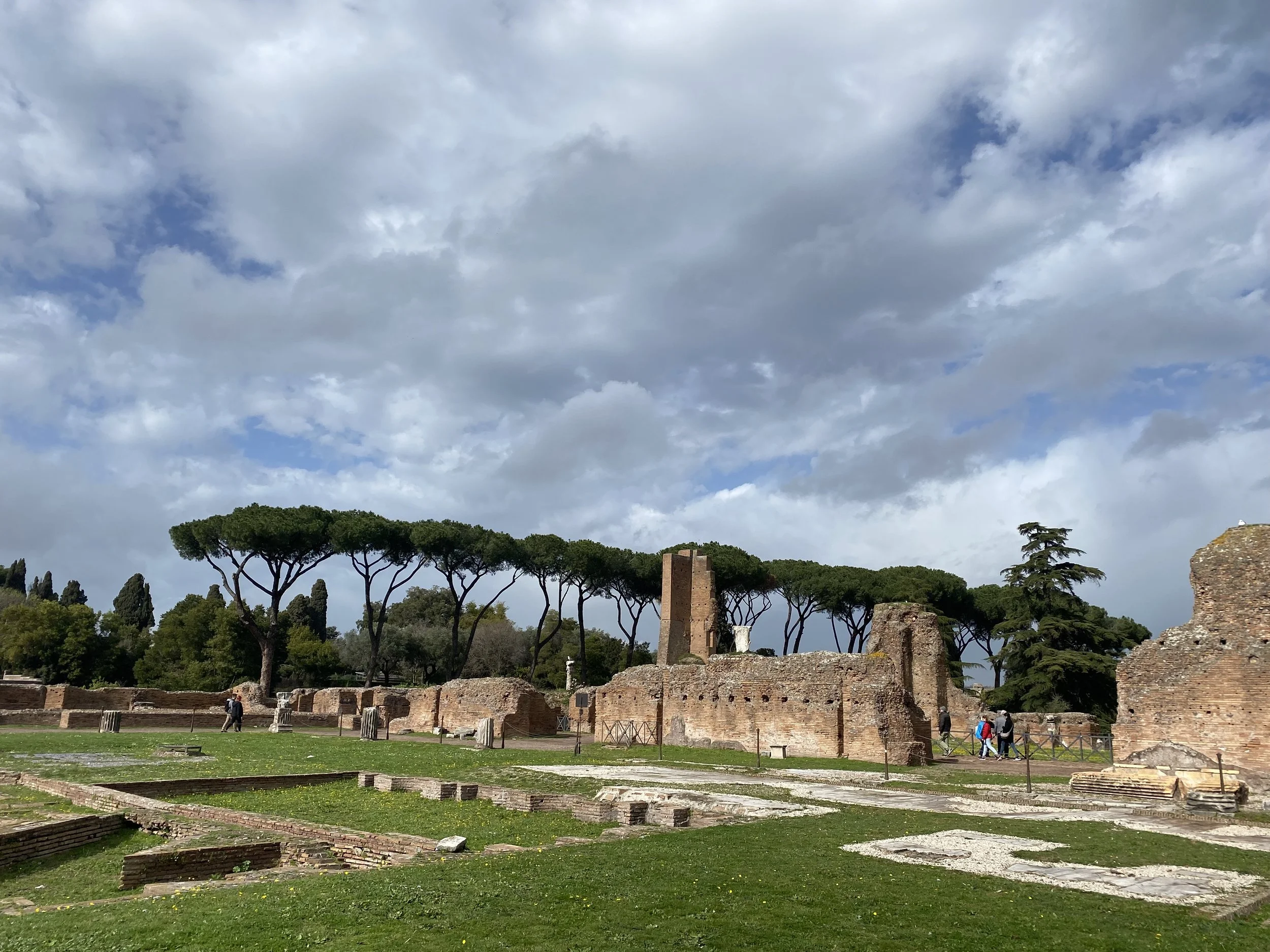
2. Roman Forum and Palatine Hill
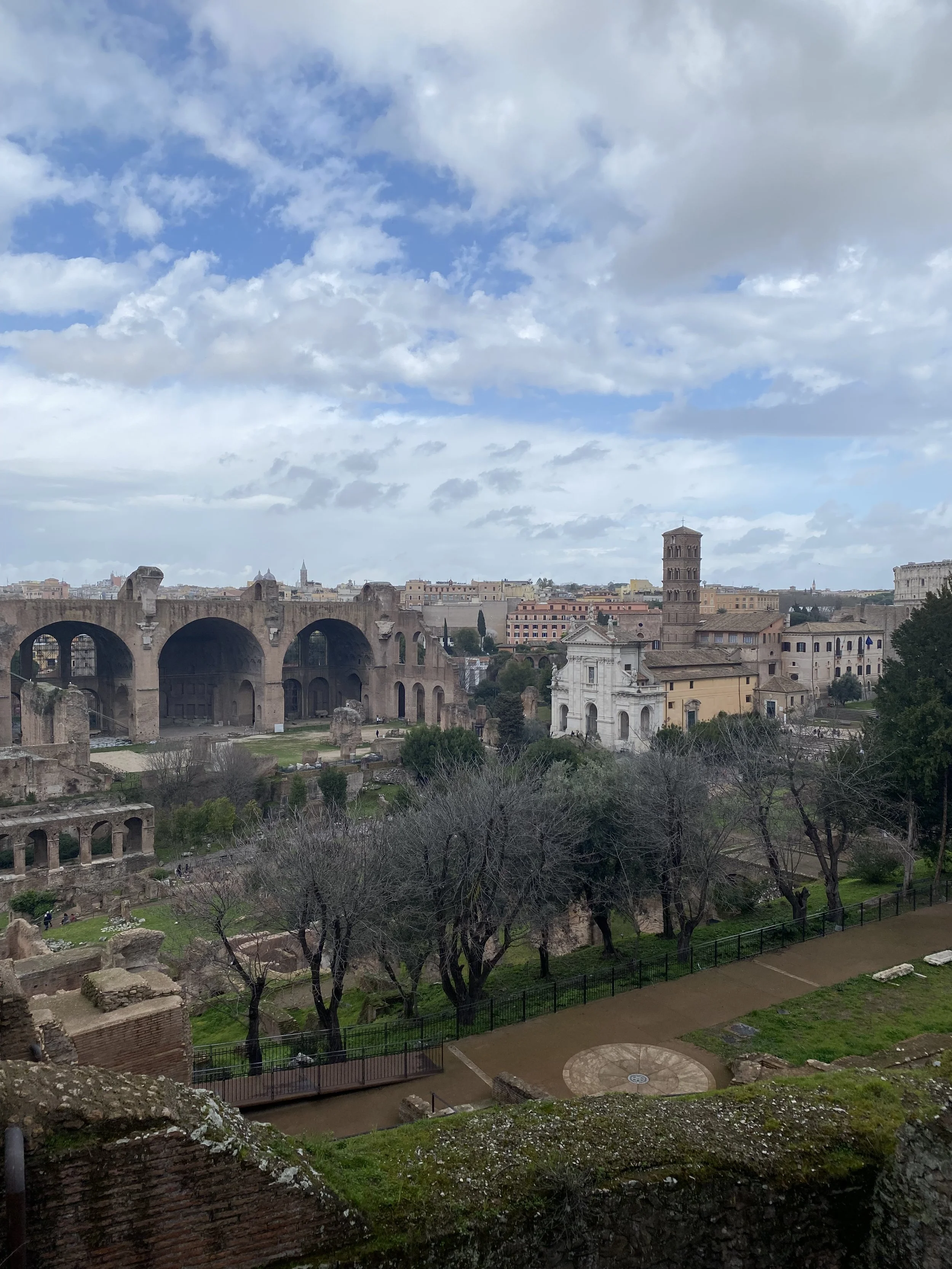
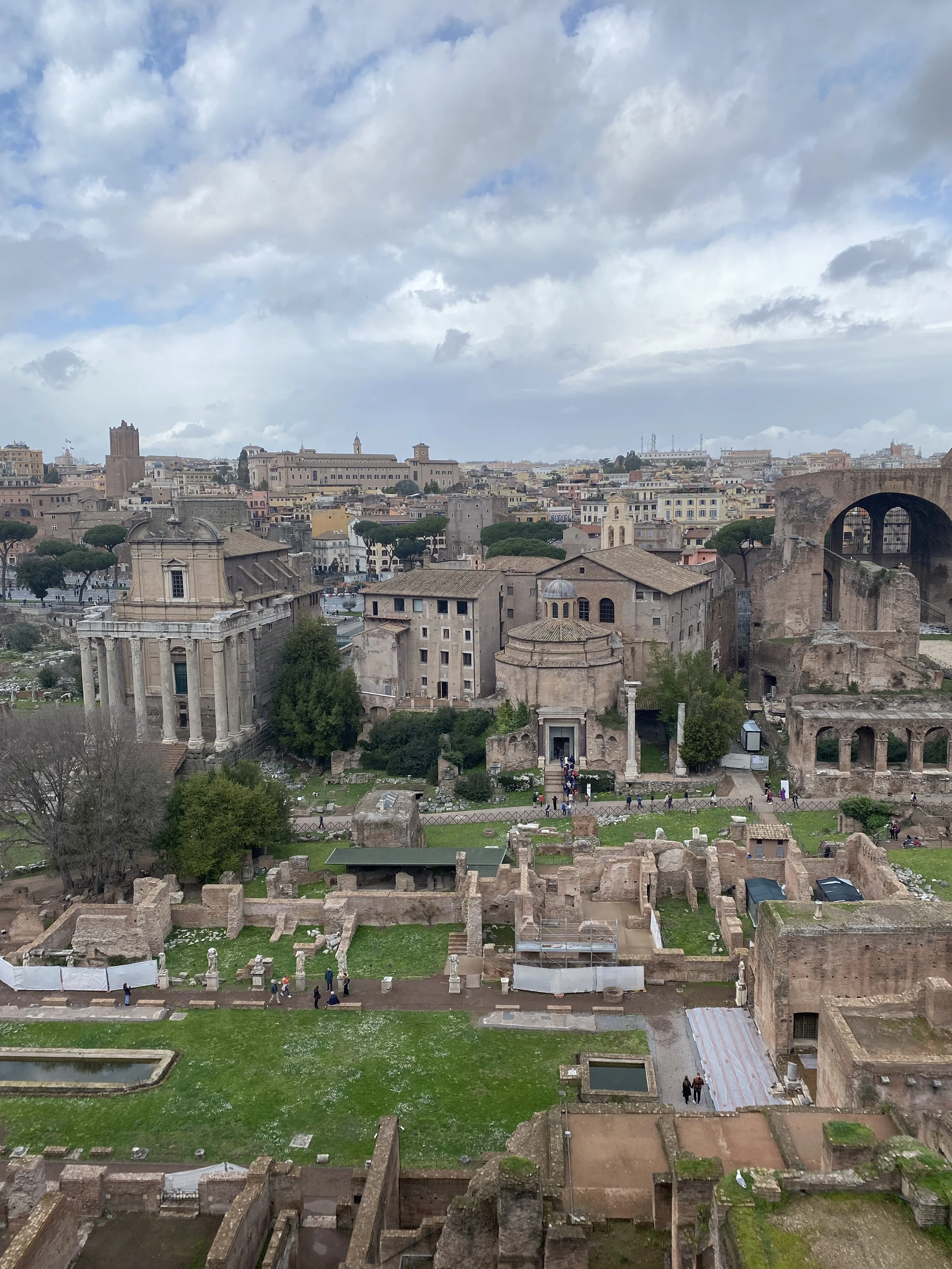
Note: The Roman Forum and Palatine Hill are connected to each other and do not require a separate ticket or entrance. Once you’ve explored the grounds of the Roman Forum, walk up the hill to Palatine Hill and there you’ll get stunning views.
A.) Roman Forum
What is it? This area was the heart of ancient Rome. It’s filled with ruins of temples, basilicas, government buildings, and public spaces.
Why visit: The Roman Forum was the center of ancient Roman political, commercial, and judicial life! It’s monumental to see the ruins from a lifetime ago still standing. Visit to get a glimpse into daily Roman life and to be transported into another time.
How to visit: The Roman Forum is located right next to the Colosseum. Use your time efficiently by visiting both sites on the same day. You could either visit on your own or join a guided group tour, which includes a tour guide and tickets to each site. If you visit on your own, buy tickets ahead of time online and book the “skip the line” option, since the line to visit this site can be LONG, especially during peak season. If you opt for the group tour choose the option that includes a visit to the Colosseum, which is right next door.
B.) Palatine Hill
What is it? This is one of the seven hills of Rome. From here you can get a panoramic view of the city.
Why visit: According to Roman mythology, this is where Romulus founded the city of Rome. Go there to get stunning views of the imperial palace ruins and the whole city, it’s spectacular!
3. Pantheon
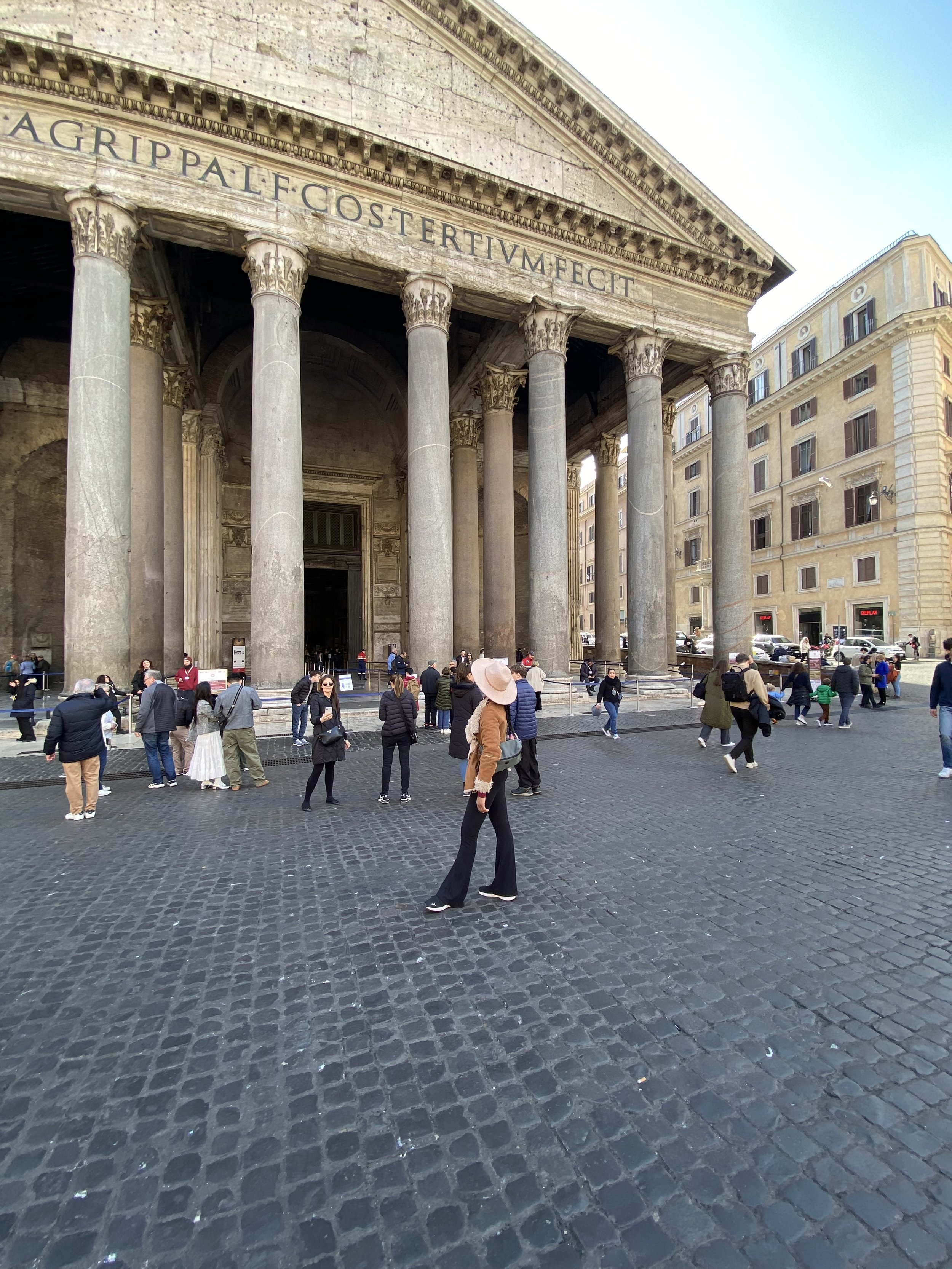
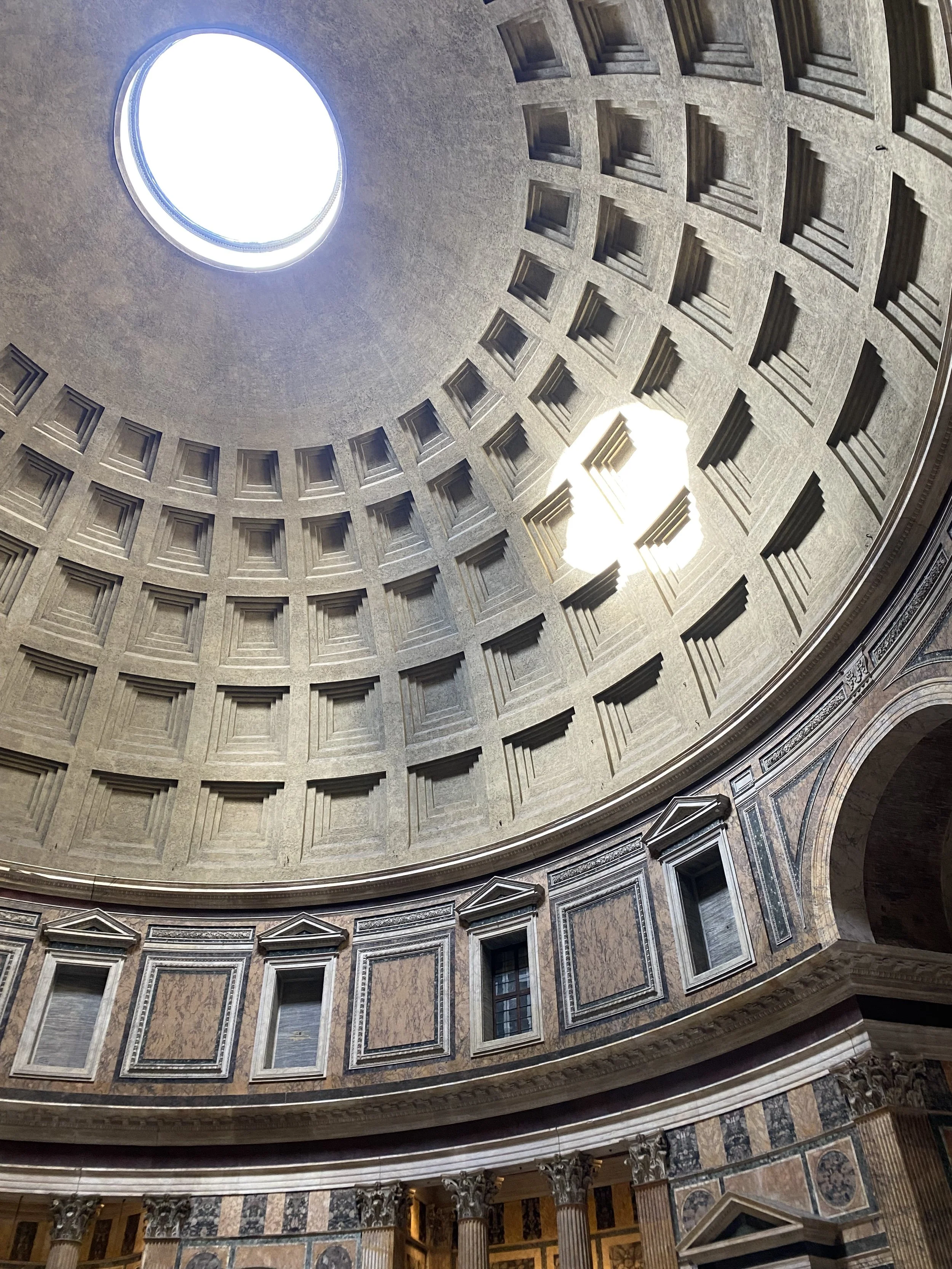
What is it? Originally a temple built for all gods, it’s now a major tourist attraction and also used as a catholic church.
Why visit: The Pantheon is one of the best-preserved monuments of ancient Rome and definitely worth a visit! One unique aspect of the Pantheon is the Oculus, a 25-foot-wide circular opening at the top of the roof, called the dome, which serves as the primary source of natural light and ventilation for the building. Its massive dome is still the world's largest unreinforced concrete dome, showcasing ancient Roman architectural skills.
How to visit: Buy tickets ahead of time online and if you’re interested, the pantheon offers daily guided group tours for free at specific hours.
4. Vatican City: St. Peter's Basilica and the Vatican Museums (including Sistine Chapel)
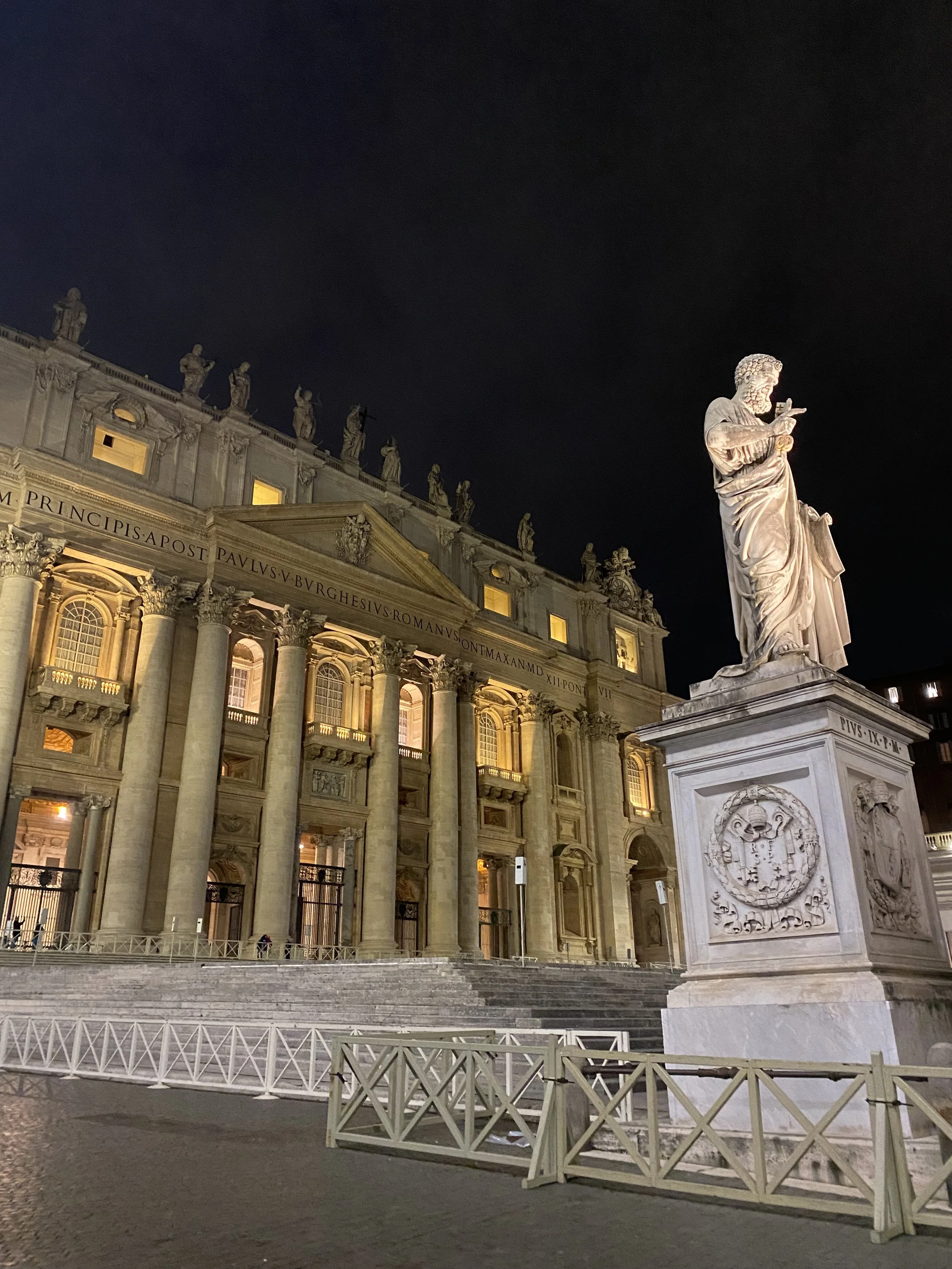
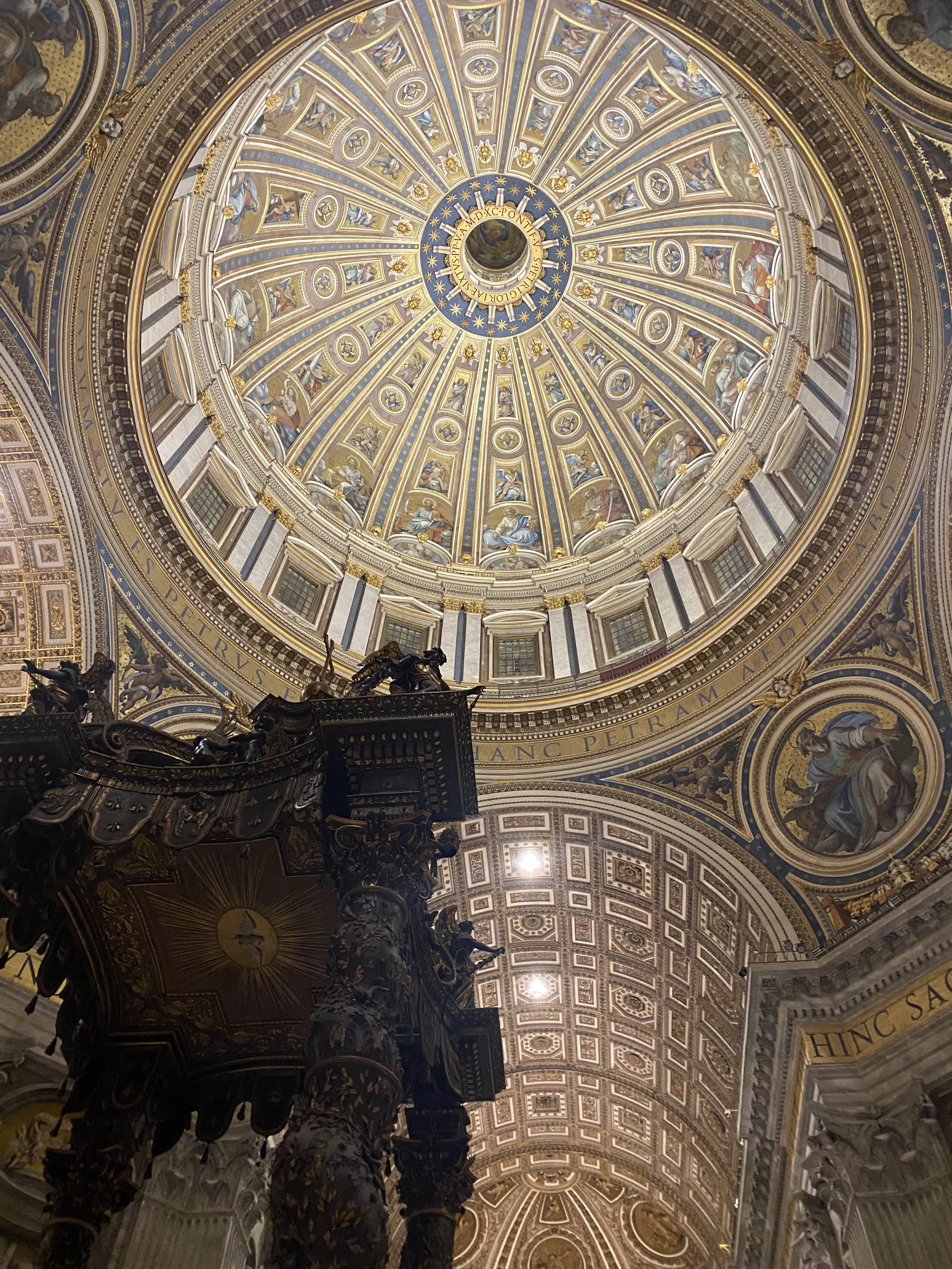
Note: St. Peter’s Basilica and the Vatican Museums are two separate sites located in close proximity to each other in Vatican City. Vatican City is located across the bridge from central Rome, there’s no physical barrier or divider, and you DO NOT need a passport or ID to enter. You can reach Vatican city by walking, car, or public transportation.
It’s possible to visit both in one day, but keep in mind they’re large sites and can be exhausting to fully explore back-to-back.
A.) St. Peter's Basilica
What is it? Located in Vatican City, St. Peter’s Basilica is one of the largest churches in the world and one of the holiest sites in the Catholic Church, believed to be the burial place of Saint Peter, one of the 12 apostles and the first Pope.
Why visit: Visit to admire the stunning architecture, famous artworks, and Michelangelo-designed dome. You can also climb to the top of the dome for panoramic views of Rome and Vatican City. As a major pilgrimage site for Catholics, you can visit St. Peter’s Basilica for religious purposes, prayer, mass, and to attend an audience with the Pope.
How to visit: Entrance to the Basilica is free, though tickets are required to climb the dome. To enter the Basilica and dome you’ll go through airport style security with scanners for your bags and detectors; large suitcases are not allowed. Keep in mind that security lines can be VERY long during peak season, so plan ahead and arrive early.
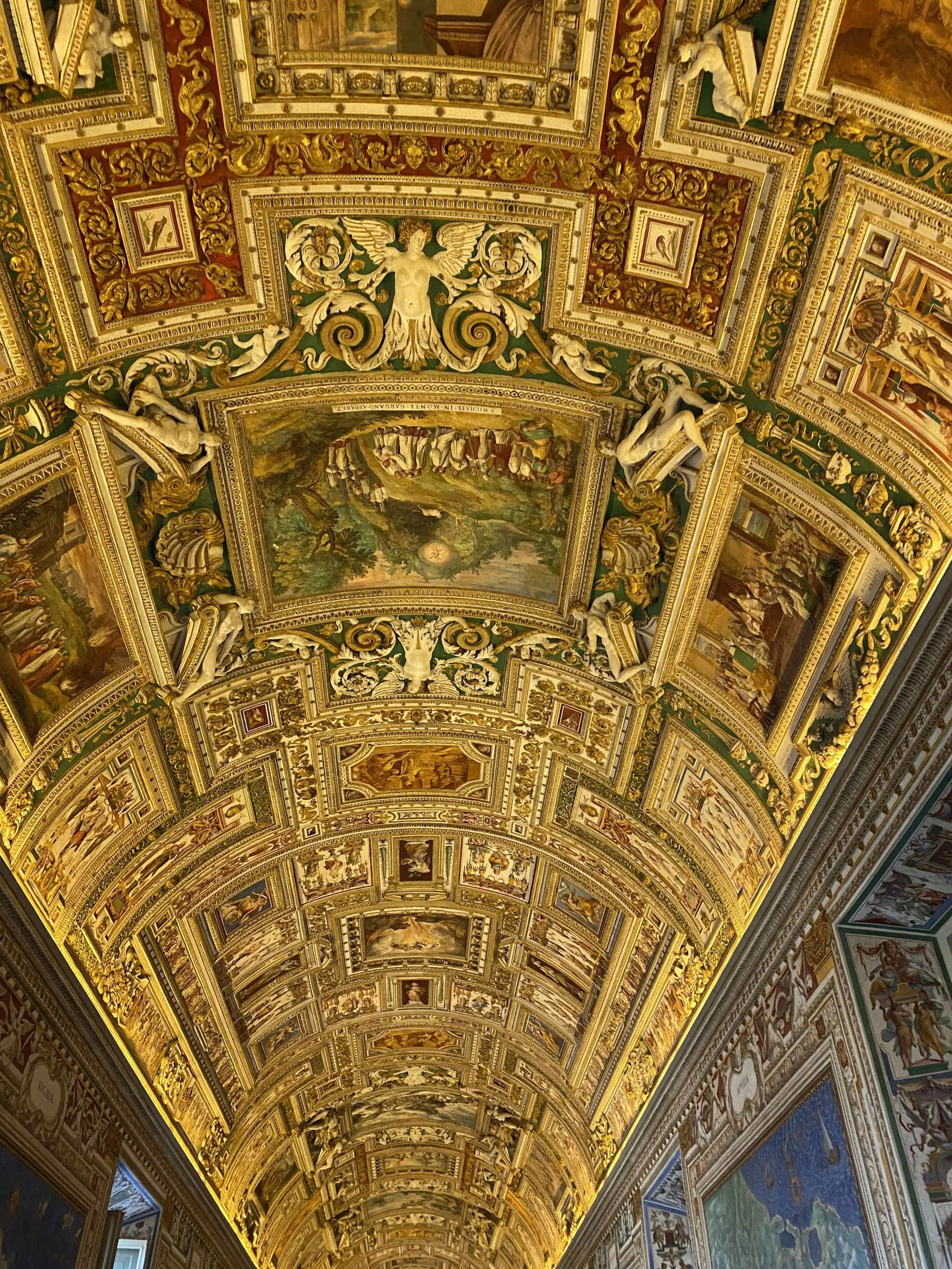
B.) Vatican Museums & Sistine Chapel
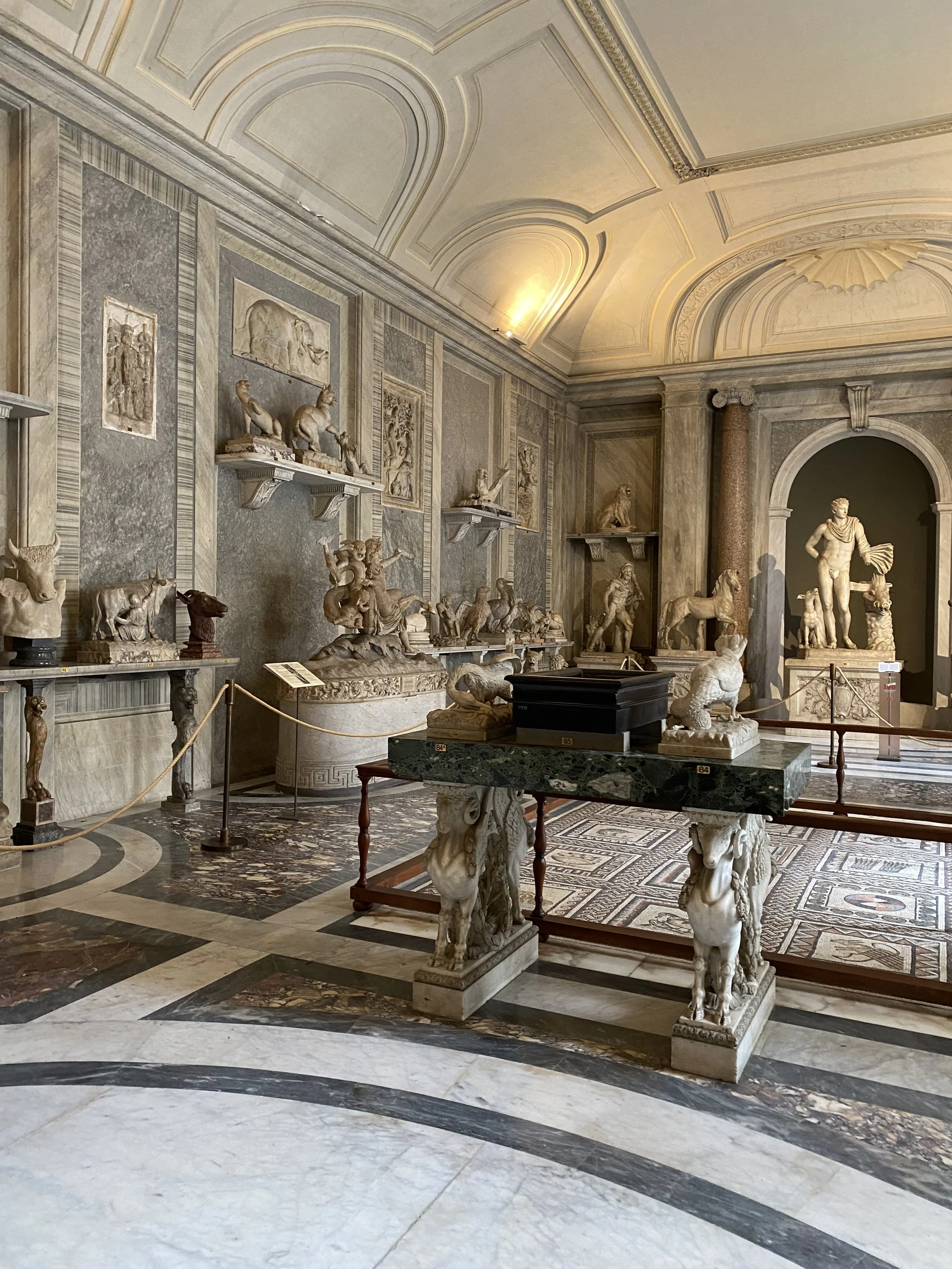
What is it? The Vatican Museums is home to one of the most extensive and valuable art collections in the world, including sculptures, tapestries, maps, and Renaissance masterpieces. The highlight of the museums is the Sistine Chapel, famous for Michelangelo’s ceiling fresco and The Last Judgment.
Why visit? Visit the Vatican Museums to take a journey through history and to see masterpieces and celebrated works of art from artists such as Raphael, Leonardo da Vinci, and more, leading to the breathtaking Sistine Chapel.
How to visit: Tickets are required and should be purchased ahead of time. You can visit on your own (I definitely recommend the skip-the-line access) or join a guided tour, which often includes faster entry and direct access to St. Peter’s Basilica. Before entering the Museums you’ll also go through airport style security with scanners for your bags and detectors. Large suitcases/bags are not allowed but the museum does have lockers.
5. Castel Sant'Angelo
What is it? A big, round fortress located along the Tiber River (it’s hard to miss it!). Originally built as Emperor Hadrian’s mausoleum, Castel Sant’Angelo has had many uses, including being used as a papal fortress, prison, and hiding spot, now it’s a museum.
Why visit? Walk through and discover ancient ramparts, secret passages, and papal apartments. Visit the rooftop terrace for one of the best panoramic views of Rome and St. Peter’s Basilica! Fun fact: This fortress is connected to the Vatican via a secret passageway called the Passetto di Borgo!
How to visit: You could either visit on your own or join a guided group tour, which includes a tour guide and tickets to the site. If you visit on your own, buy tickets ahead of time online and book the “skip the line” option, since the line to visit can be LONG, especially during peak season.
Best time to go: Late afternoon for golden light and rooftop views, or early to beat the crowds.
Additional attractions to explore in Rome:
Circus Maximus
If you have a longer trip planned and aren’t strapped for time, below are additional attractions to explore in Rome that go beyond the top 5.
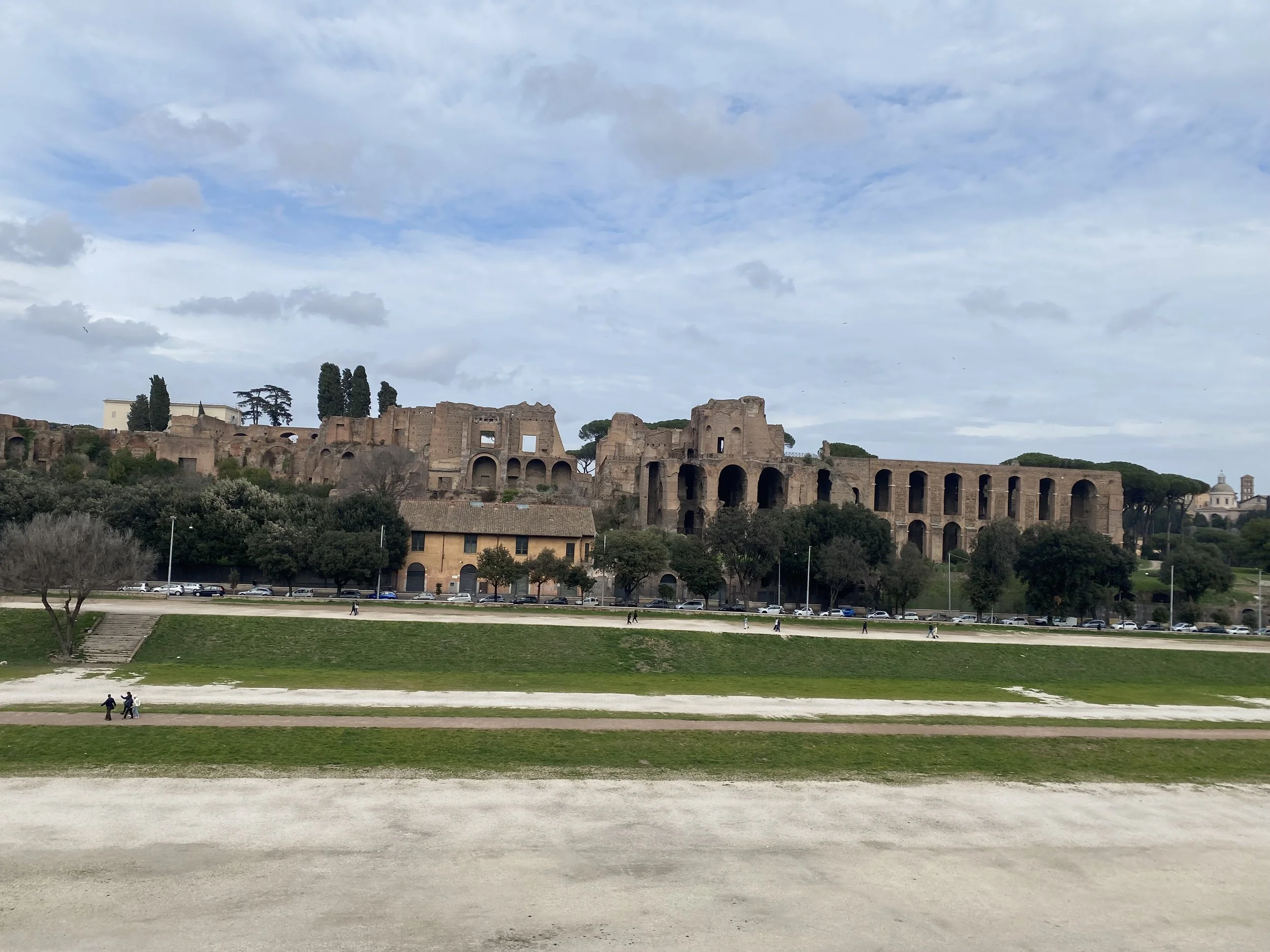
6. Circus Maximus
What is it? An ancient stadium where chariot races and other public spectacles took place.
Why visit: This ancient chariot-racing stadium could hold over 150,000 spectators. It's now a large open space, worth visiting to enjoy the scenery, go for a walk, have a picnic, or imagine the scale of the ancient races.
7. Baths of Caracalla
What is it? They are ancient public baths and were the second largest in the city after the Baths of Diocletian.
Why visit: One of the most extravagant baths ever built, they showcase impressive ancient architecture and provide insight into Roman bathing culture.
8. Trajan’s Market
What is it? A well-preserved complex of shops and buildings built during the Roman Empire.
Why visit: Often considered the world’s first shopping mall, this ancient complex includes a series of shops and offices. It’s located near the Roman Forum and offers a glimpse into Roman commerce!
9. The Catacombs of Rome
What is it? They are underground burial grounds for early Christians and Jews, who were often persecuted and needed secret burial places outside the city walls.
Why visit: Visit to get insight into a different aspect of Roman history and religious practices. There are a variety to visit, the Catacombs of San Callisto, San Sebastiano, Priscilla, Sant’Agnese, and more.
Note: These Catacombs are located outside the central area of Rome.
10. Aventine Hill (Aventino)
What is it? One of the seven hills of Rome, Aventine Hill is known for its peaceful vibe, picturesque views, and historical significance.
Why visit: It was once home to wealthy Romans, and while it's quieter than other hills like Palatine or Capitoline, it still has a lot to offer.
Places to visit in Aventine Hill:
Basilica di Santa Sabina: This is one of the oldest and best-preserved churches in Rome, dating back to the 5th century. It’s significant for its architecture and history, and is a staple in the community.
The Keyhole of the Knights of Malta (Piazza dei Cavalieri di Malta): This is one of Rome’s most famous tourist picture sites - hence the line is always long! You’ll look through a keyhole in the door of the Grand Priory of the Knights of Malta to get a perfectly framed view of St. Peter's Basilica in the distance. It’s not a MUST see and YOU CAN/SHOULD avoid it.
Peaceful atmosphere: Unlike other parts of Rome, Aventine is relatively quiet and feels more residential. It's a great place for a walk, with lovely gardens and views overlooking the city.
11. Orange Garden (Giardino degli Aranci)
What is it? A beautiful public park on the slopes of Aventine Hill. It’s named for the orange trees that line the garden.
Why visit:
Stunning Views: From the garden, you get an incredible panoramic view of Rome, including sights like St. Peter's Dome, the Tiber River, and the surrounding hills. It’s a perfect spot for taking photos and it’s often considered one of the most romantic spots in Rome, especially at sunset.
Tranquil Escape: It provides an oasis of calm while still within the bustling city, making it a wonderful place to relax.
See more of Rome: Galleries, Piazzas, Parks, etc
Galleries
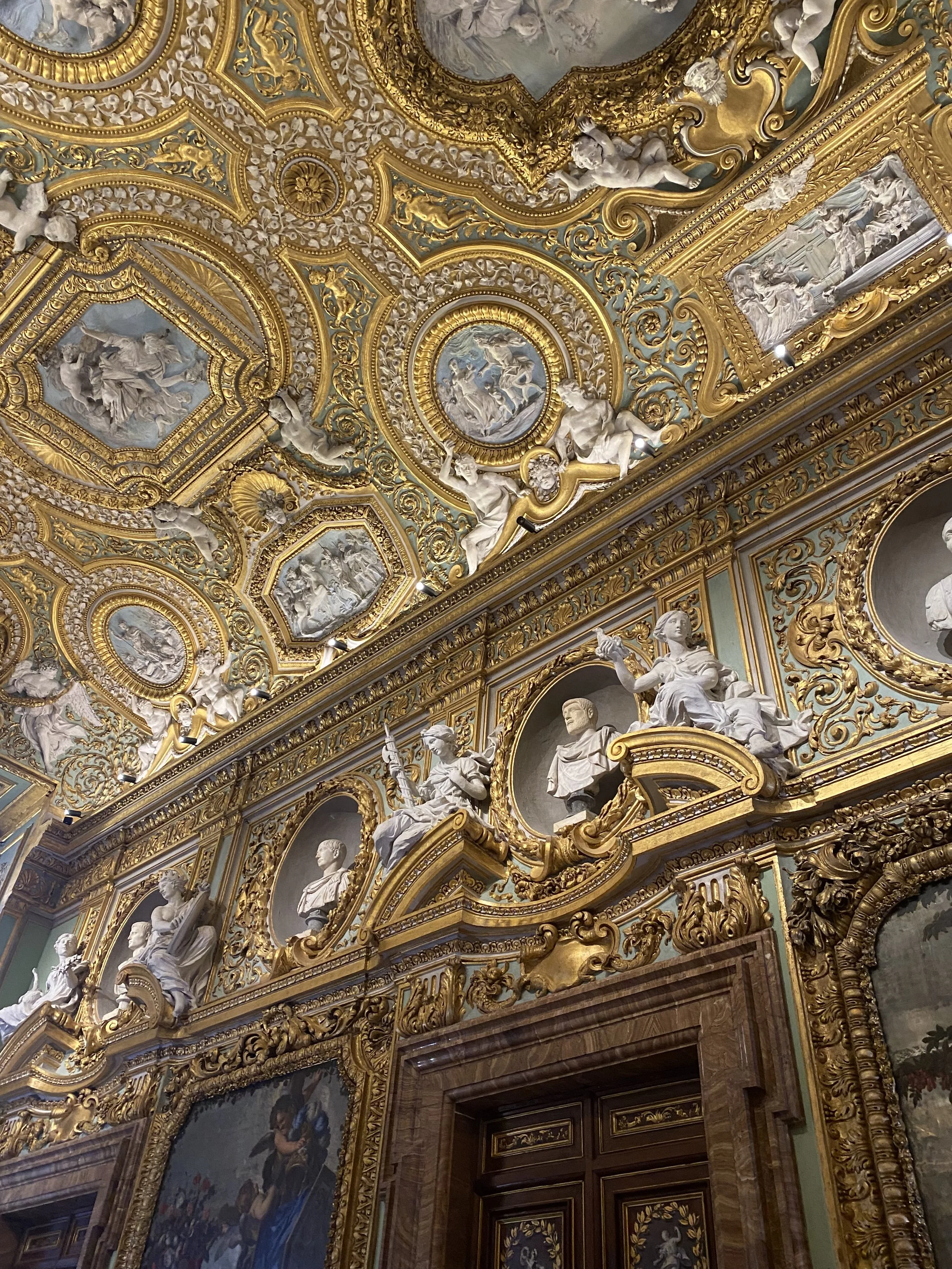

🏛️ Palazzo Barberini
Originally built for the powerful Barberini family, this grand Baroque palace now houses the Galleria Nazionale d'Arte Antica. Inside, you’ll find an impressive collection of Renaissance and Baroque art, including works by Caravaggio, Raphael, and Titian.
🎨 MAXXI (National Museum of 21st Century Arts)
Designed by Zaha Hadid, this cutting-edge museum showcases contemporary art, architecture, and design from the 21st century. It’s a dynamic space for modern creativity.
🏺 Capitoline Museums
Located atop Capitoline Hill, these museums are the oldest public museums in the world. They house an extensive collection of classical sculptures, Renaissance art, and historical artifacts—plus, stunning views of Rome.
🖼️ Galleria Borghese
Set within the lush Villa Borghese, this gallery is home to a breathtaking collection of art by Bernini, Caravaggio, Titian, and Raphael, as well as ancient sculptures.
⛲ Piazzas
Piazza del Popolo
Below are some of the most famous Piazzas (public square or marketplace):
Piazza Navona: One of the most popular and beloved Piazza’s, Piazza Navona is large, beautiful and flanked by two large fountains on each end of the Piazza. It’s very busy, lively, and is home to many restaurants and shops.
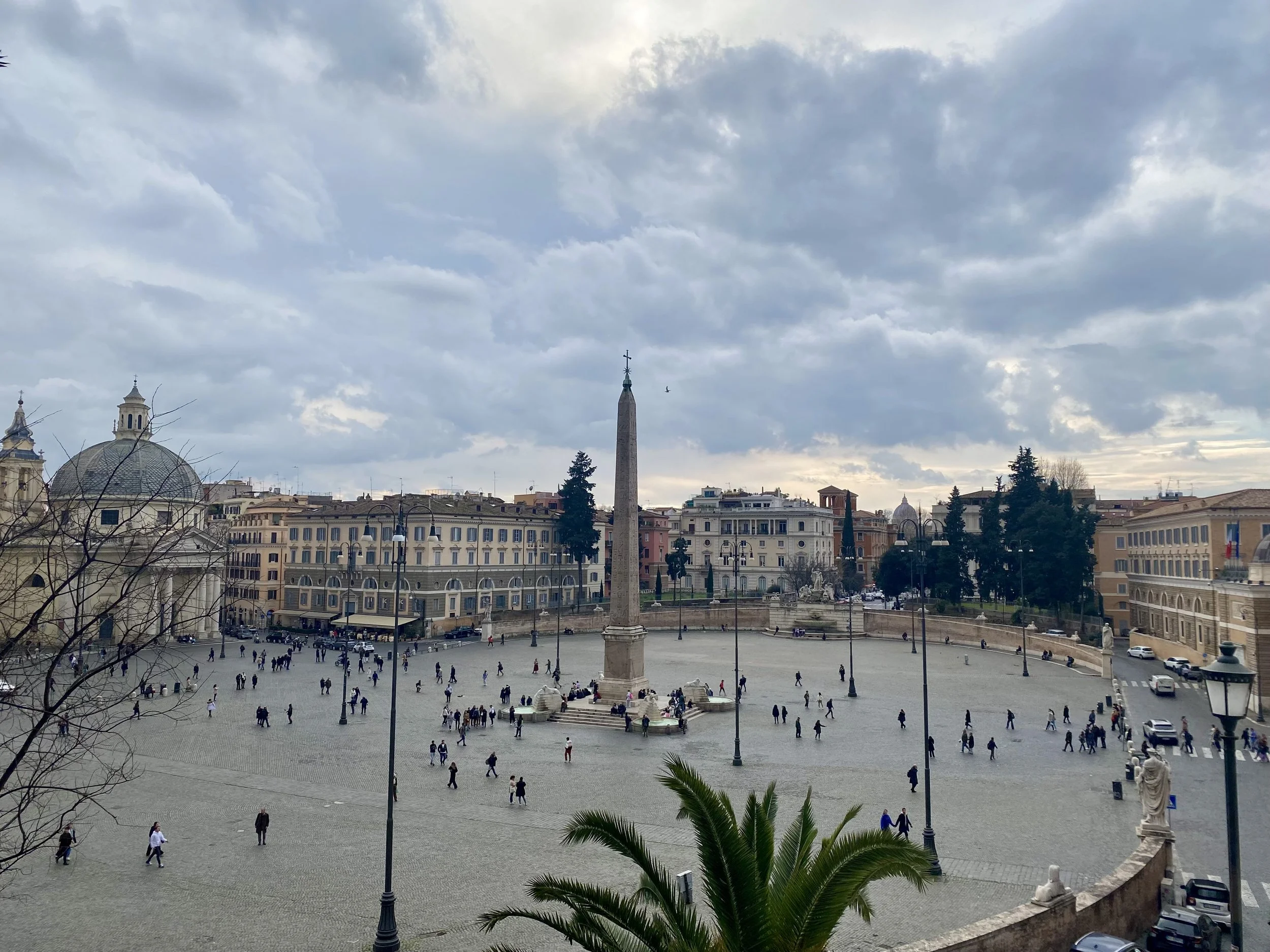
Piazza del Popolo: Located close to Villa Borghese and at the bottom of Terrazza del Pincio is another well known Piazza, Piazza del Popolo. It’s also very busy and lively, flanked by two churches, has fountains, and is where the city gate is.
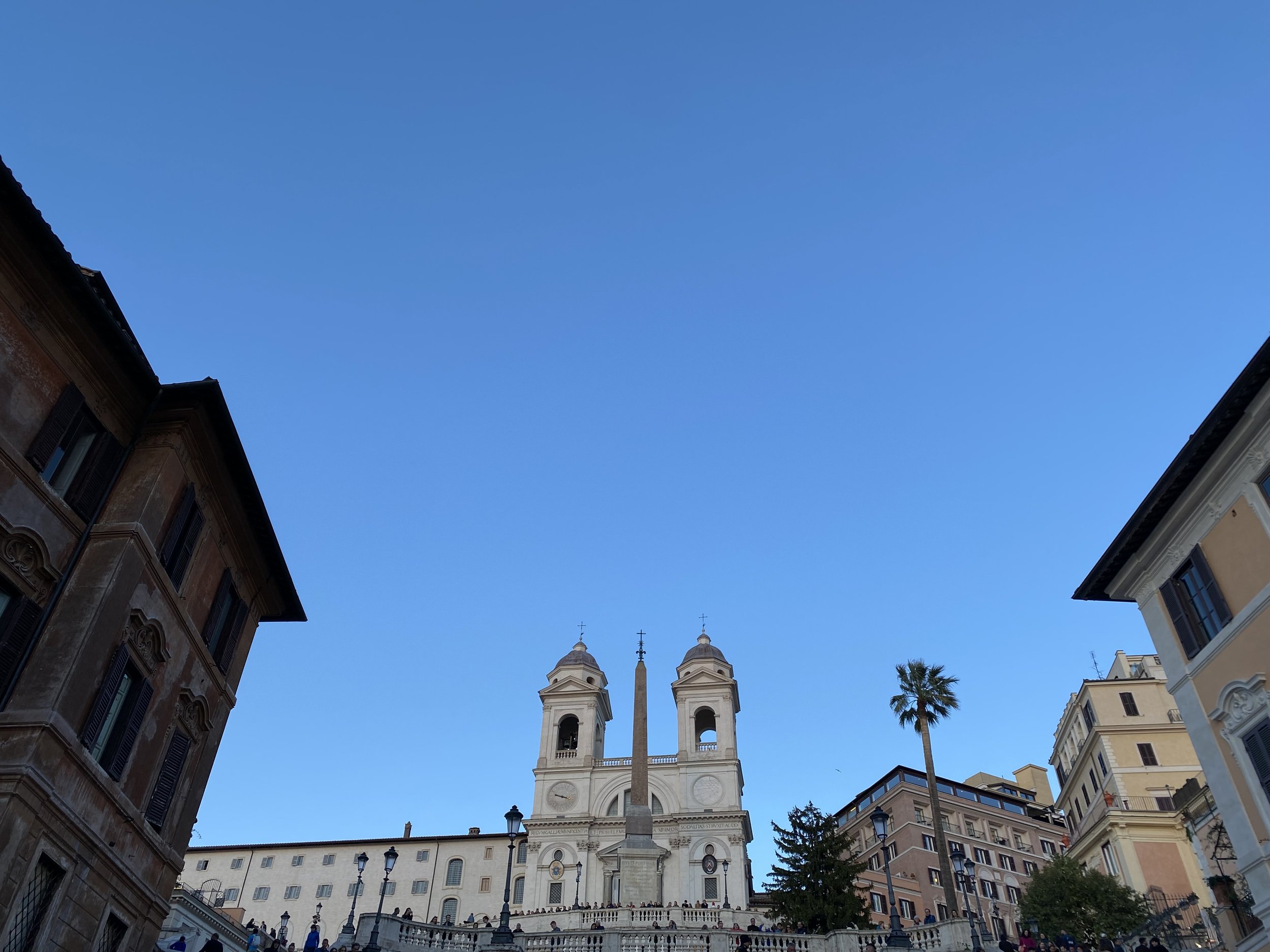
Piazza di Spagna: This Piazza is located at the bottom of the Spanish steps and its surrounding area is THE designated area for designer shopping.
Piazza Venezia: You’ll find this Piazza at the intersection of many roads and it’s home to an unmissable monument, Monumento a Vittorio Emanuele II, also referred to as the Wedding Cake (look it up and you’ll understand why!).
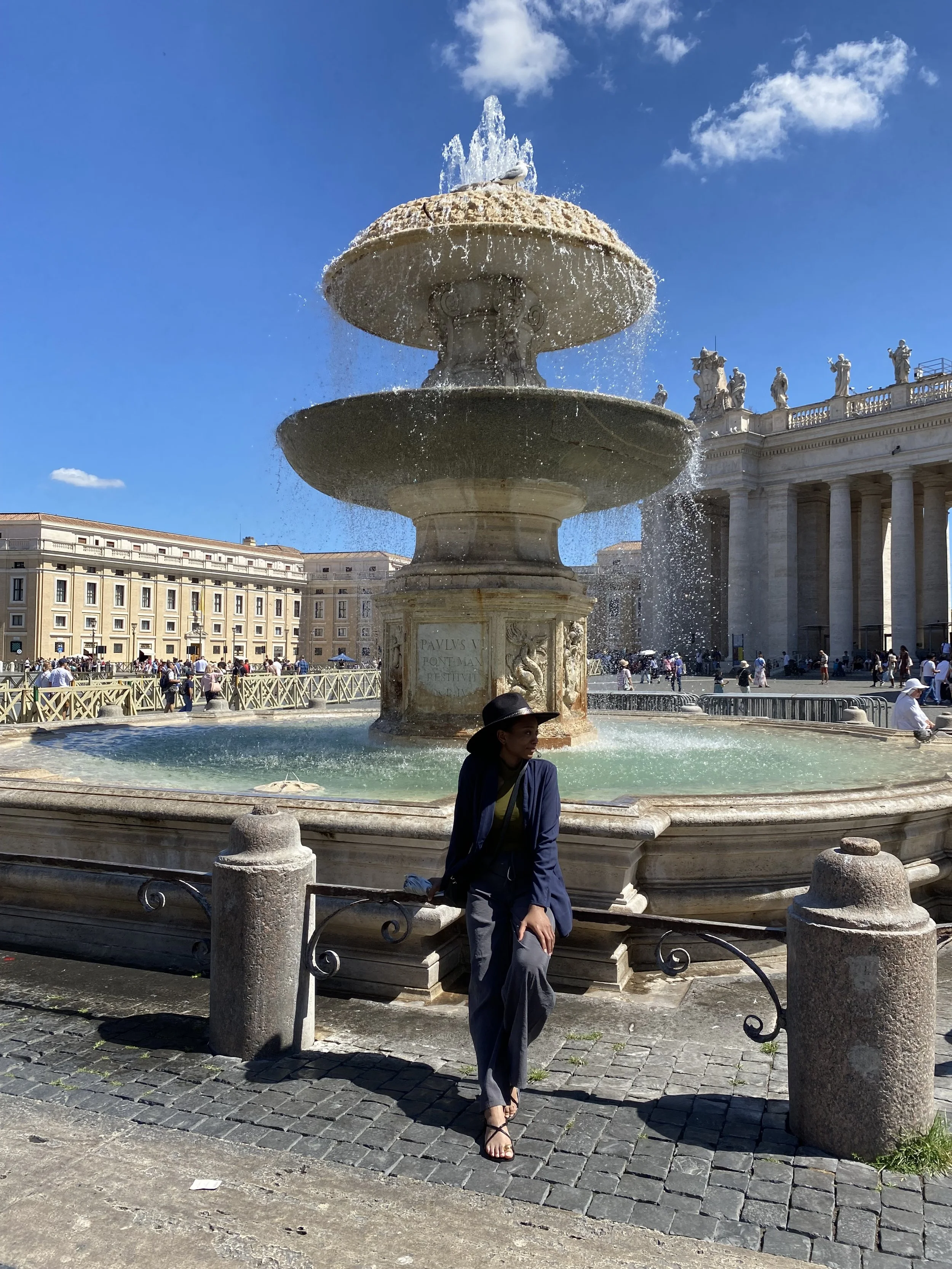
Piazza San Pietro: Also referred to as St.Peter’s square, this is the large plaza located in front of St. Peter’s Basilica in Vatican City.
Parks
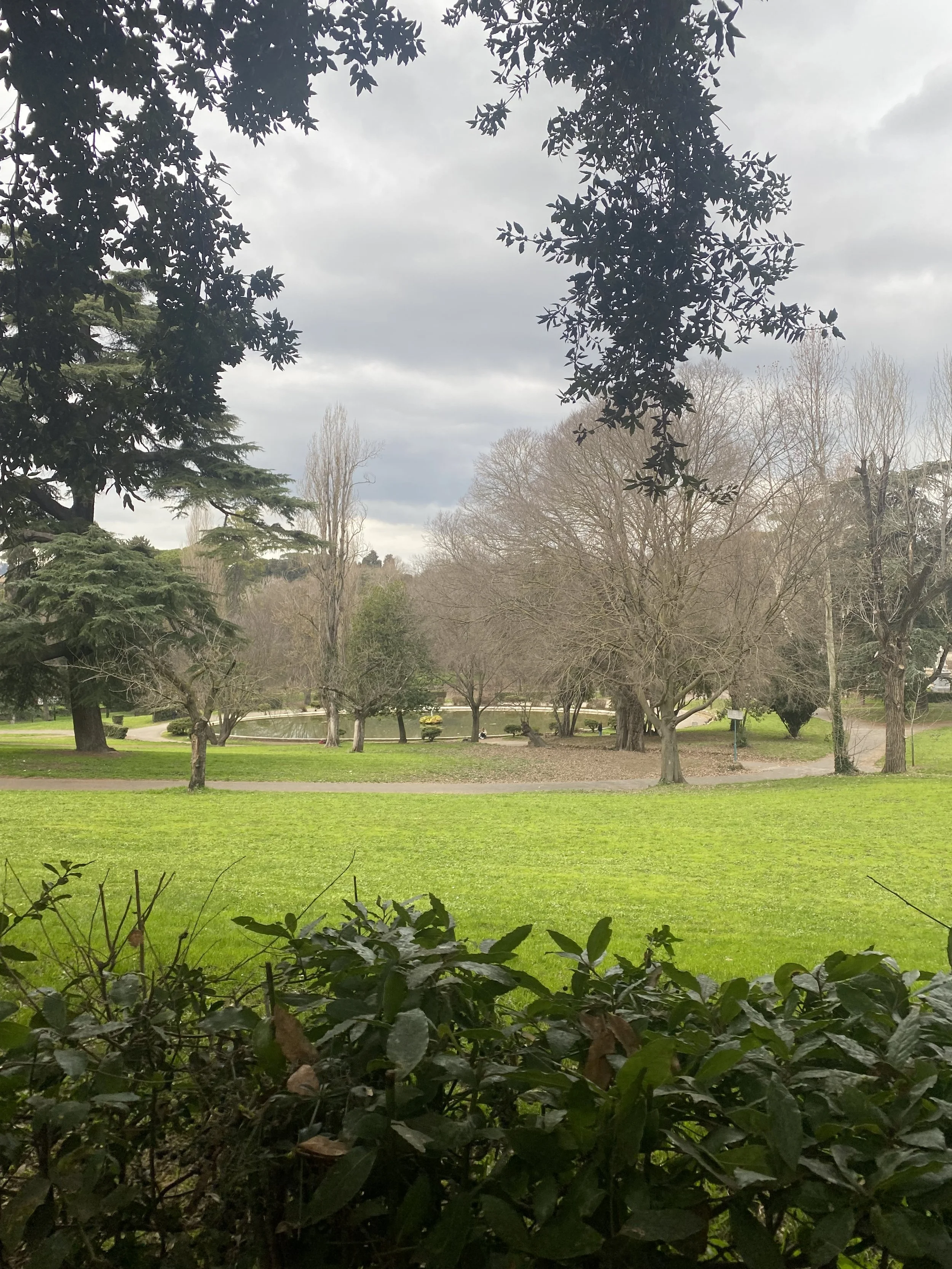
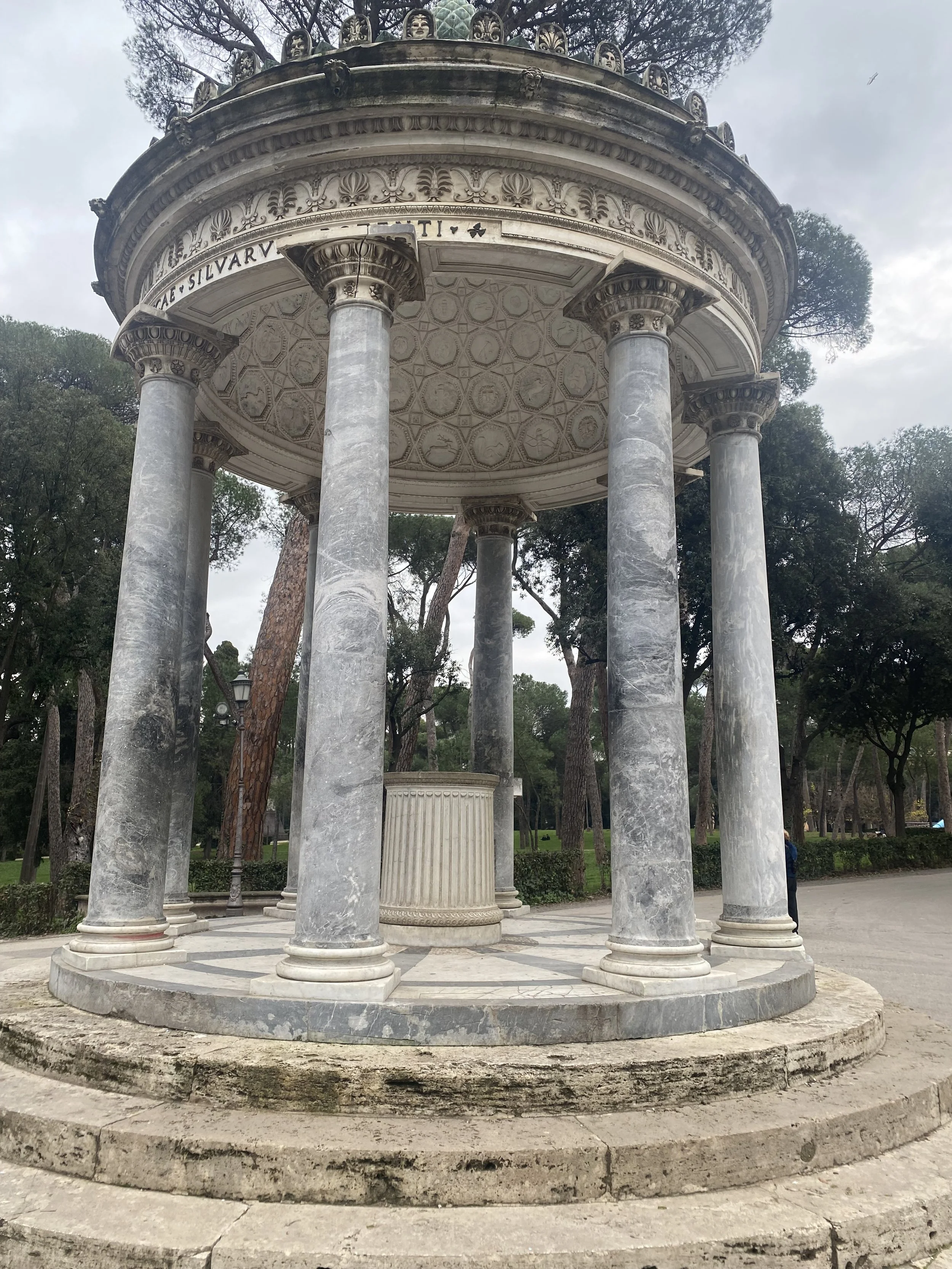
🌳 Villa Borghese
One of Rome’s largest public parks, Villa Borghese offers wide, shaded paths, tranquil lakes, and charming temples. It’s also home to the Galleria Borghese. Perfect for a peaceful escape from the hustle and bustle of Rome!
🛍️ Shopping
Spanish Steps
💎 LUXURY & DESIGNER
Via del Corso: This mile-long street runs between Piazza Venezia and Piazza del Popolo. Visit here to shop: Popular clothing chains (Zara, H&M), high-end brands, Italian brands, local boutiques, and Galleria Alberto Sordi (an elegant 1920s shopping arcade). Not too far is La Rinascente, a 6-story luxury department store, with a rooftop bar.
The Spanish Steps & Via Condotti: Located near the Spanish steps and Piazza di Spagna is Rome’s luxury shopping central. Visit here to shop: High end and iconic international and Italian brands (Gucci, Prada, Bulgari, Dior).
Via Cola di Rienzo: This is the main shopping street of the upscale Prati neighborhood, located just across the river from Rome’s historic center, and close to the Vatican. Visit here to shop: A mix of stores, including luxury brands, designer boutiques, and Italian shops. Aside from shops, Via Cola di Rienzo is also lined with several restaurants, cafes, and gelateria spots, great for relaxing in between shopping.
🧶 LOCAL & ARTISANAL & VINTAGE
Monti: Just a short stroll from the Colosseum is Monti, one of Rome’s hippest neighborhoods. Here you’ll find affordable and unique finds. Visit here to shop: Vintage shops, artisan boutiques, and weekend street markets.
Piazza Navona: One of Rome’s most beloved and lively squares. Visit here to shop: A mix of stores, including artisanal stalls, souvenir shops, and small galleries.
Via del Governo Vecchio: Just off Piazza Navona is Via del Governo Vecchio, another beloved area for vintage shopping. It’s also home to a couple of bookstores selling rare books. Visit here to shop: Vintage clothing, quirky boutiques, antique shops, and secondhand bookstores with rare finds.
🛒MARKETS & 👜 CRAFTSMEN
Porta Portese: Rome’s famous Sunday (only) flea market in the Trastevere neighborhood. It’s huge, chaotic, and full of treasure they say. Visit here to shop: Everything! You can find vintage clothes, records, home goods, antiques, knockoff handbags, random trinkets, and more. Go early and bring cash!
Campo de’ Fiori Area: The daily outdoor Campo de’ Fiori Market is a top spot for fresh produce, flowers, and more. While the streets around this historic square have historically been home to Rome’s craftsmen. Visit here to shop: Leather goods, handmade jewelry, shoes, and locally made items, along Via dei Chiavari and Via del Pellegrino.
Have an amazing time in Rome!
Enjoy the Eternal City!
Use this guide to plan your trip in Rome. Eat good food, explore historic sites, and enjoy all Rome has to offer.
Save this Article For Later
Explore these other European Cities

12 Best things to do in vienna
From visiting Schönbrunn Palace to enjoying traditional Viennese treats like Sacher-Torte, check out this list of Vienna attractions and things to do.

24 hour in prague: vienna to prague day trip
Check out this one day in Prague itinerary, with the best ways to get from Vienna to Prague, top attractions to visit, and a sample itinerary.